At Rafa Consulting Inc., our passion and goals are to provide an assortment of different organic, natural, and pure salts that will serve as both health benefits and a delightful gourmet experience.
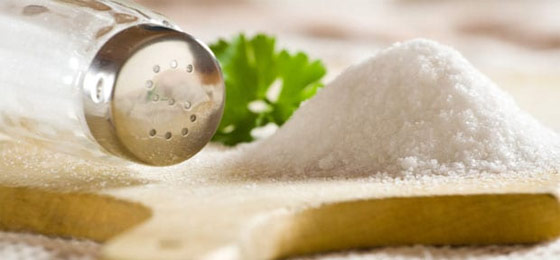
Table Salt
Table salt is the most common type of salt around the world. It is harvested from salt deposits found underground. But it is highly refined and finely ground, with impurities and trace minerals removed in the process. It’s also treated with an anti-caking agent to keep from clumping. Most table salt is iodized, meaning iodine has been added to prevent iodine deficiency, which can cause hypothyroidism and other maladies. Iodized table salt is a mixture, not a pure substance. The only way to get a pure substance is NaCl with no iodine.
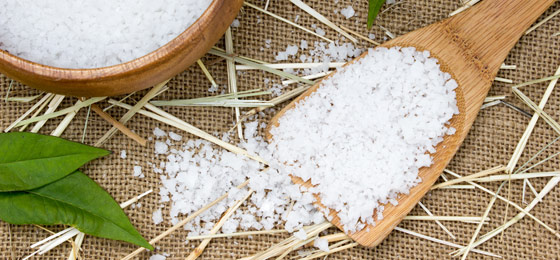
Kosher Salt
Koshering salt, or kosher salt, is flakier and coarser-grained than regular table salt. Its large grain size makes it perfect for sprinkling on top of meat, where it releases a surprising blast of flavor. Kosher salt also dissolves quickly, making it a perfect all-purpose cooking salt. For cooking purposes, there is no difference between kosher salt and flaky sea salt, but it is recommended to cook with kosher salt because it is more consistent. The main difference between regular salt and kosher salt is the structure of the flakes.
Mined Salt
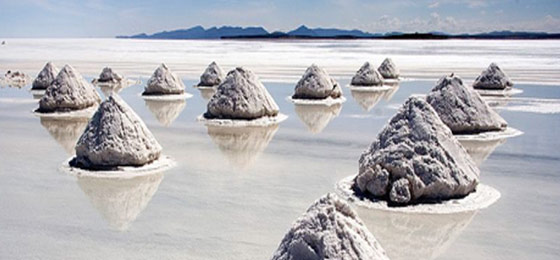
Salt has been mined from the areas around dry lake beds and in deposits left after ancient seas dried up. These bodies of water all evaporated, leaving their crystallized salt deposits behind. Mined salt is sourced from these deposits.
Sea Salt
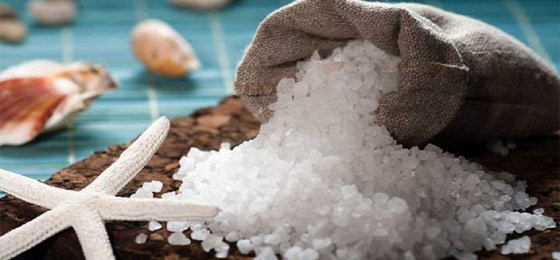
It is taken from living oceans. Sea salt is known to contain other minerals apart from sodium chloride. It contains some of the minerals from where it was harvested; zinc, potassium, and iron among them, which give sea salt a more complex flavor profile. Harvested from evaporated seawater, sea salt is usually unrefined and coarser-grained than table salt..
Rock Salt
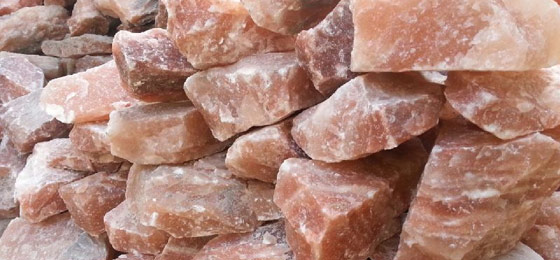
It is kept in a coarse and chunky form that is referred to as rock salt. Rock salt has long been used in many applications that have nothing to do with cooking, but it is still virtually identical to table salt. It does not contain many foreign elements and has a significantly higher composition of sodium chloride compound as compared to the sea salt.
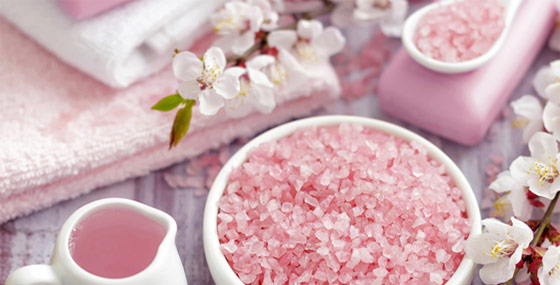
Pink Himalayan Salt
It is chemically similar to table salt. It contains up to 98 percent sodium chloride. The rest of the salt consists of trace minerals, such as potassium, magnesium, and calcium.